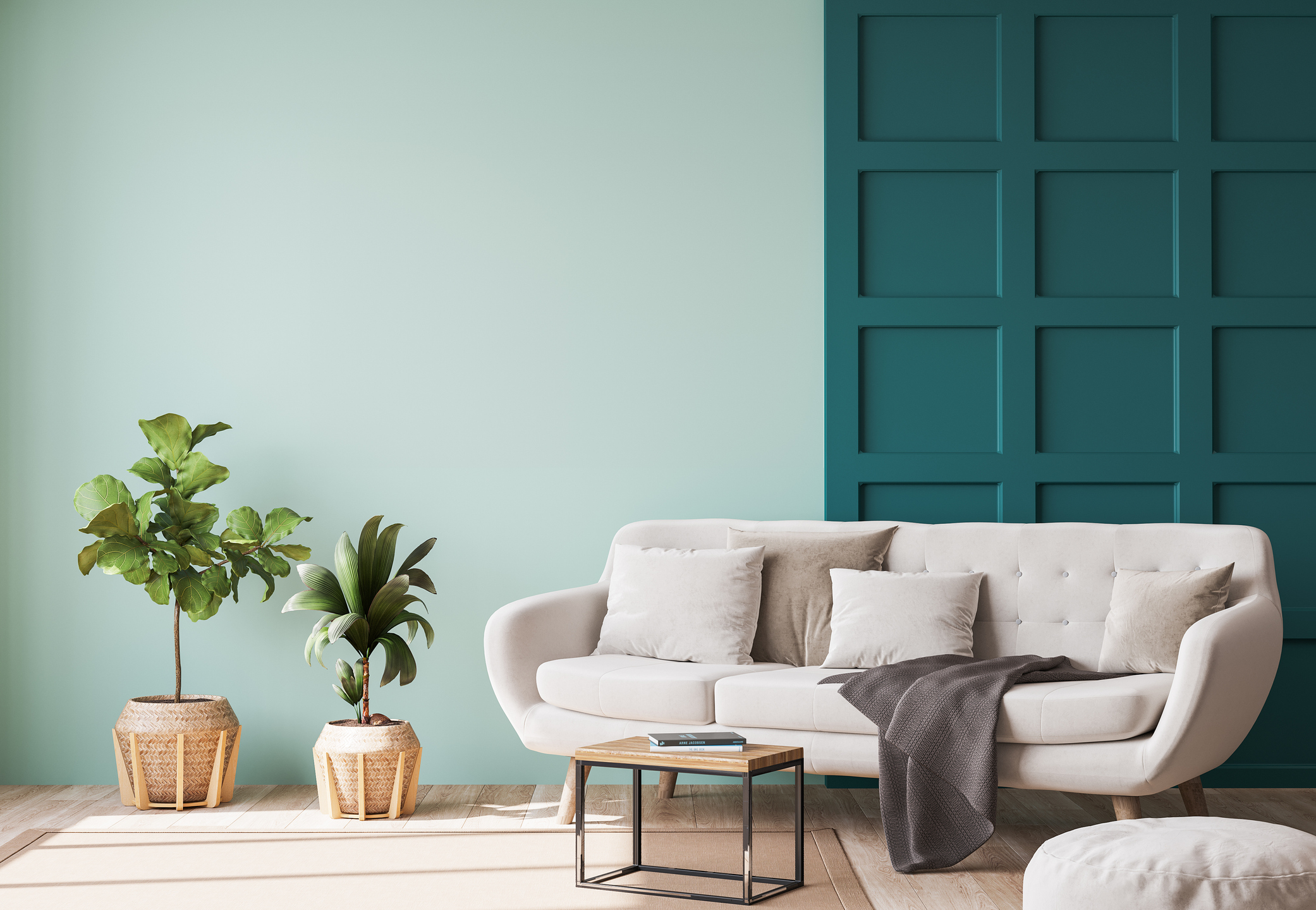
When it comes to interior painting, trim and molding often make the most significant impact on the overall look of a room. These architectural details frame your space, adding a touch of elegance and refinement. However, painting trim and molding can be tricky. The right paint choice can elevate your home’s appearance, while the wrong paint can lead to visible brushstrokes, streaks, or quick wear and tear.
In this comprehensive guide, we’ll explore the best paint for trim and molding, discuss key factors to consider when selecting the right product, and provide expert tips for achieving a flawless finish. Whether you’re refreshing your existing trim or installing new moldings, the right paint can make all the difference in transforming your home’s aesthetic.
Why Is Trim and Molding Important?
Trim and molding aren’t just decorative elements; they also serve functional purposes. They help cover seams where walls meet ceilings or floors, provide a clean transition between different surfaces, and create a polished, finished look. Without properly painted trim, a room can feel incomplete. Painted trim enhances the overall design of a space, making it feel cohesive and put-together.
Whether you’re dealing with baseboards, crown molding, door casings, or window trim, choosing the best paint for trim and molding is essential to achieving a durable, smooth finish that lasts.
Key Factors to Consider When Choosing Paint for Trim and Molding
Before diving into specific paint options, it’s important to understand the key factors that impact the durability and aesthetic of your trim and molding. These considerations will guide you in selecting the best paint for your needs:
- Finish Type The finish of your paint determines its sheen, texture, and durability. Trim and molding are often in high-traffic areas, so choosing the right finish is crucial.
- High Gloss: The most durable option for trim and molding, high gloss paint offers a reflective shine that highlights the details of the trim. It’s easy to clean and can withstand wear, but it also shows imperfections more than other finishes.
- Semi-Gloss: This is the most common finish for trim and molding. It has a subtle sheen, providing a good balance between durability and smoothness. It’s easy to clean and hides imperfections better than high gloss.
- Satin: While satin finish is less shiny than semi-gloss, it still offers a slight sheen and is more durable than flat or eggshell paints. Satin is a good choice for areas where you need a balance of durability and a soft finish.
- Matte/Flat: Flat paint provides a smooth, non-reflective finish that hides imperfections but is harder to clean. While it can be used for trim, it’s generally not recommended for high-traffic areas as it’s more prone to scuffing and staining.
- Durability and Scrubbability: Since trim and molding are subject to frequent contact (especially baseboards and door frames), it’s essential to choose a paint that can withstand wear and tear. Look for paint that offers excellent scrubbability and stain resistance. Semi-gloss and high gloss finishes generally perform the best in this regard.
- Color Choice Traditionally, trim and molding have been painted white to create contrast with walls and add brightness to a room. However, with the rise of bold, modern interior design, homeowners are experimenting with painted trim in darker or contrasting colors. When selecting the color, keep in mind the tone of your walls and furniture to ensure a cohesive look. White, soft gray, and creamy hues remain popular, but deep navy, charcoal, or even black trim can make a bold statement.
- Ease of Application The paint you choose should also be easy to apply, especially if you’re doing the work yourself. Some paints are thicker, providing more coverage in fewer coats, while others may require additional layers to achieve the desired finish. Additionally, look for paints that level out well to avoid visible brush strokes and roller marks.
- Drying Time and Curing Trim and molding need to be painted carefully to avoid smudging. Choose a paint with an appropriate drying time to ensure that each coat cures properly before adding the next layer. Paints that dry too quickly may cause streaks, while those that dry too slowly can create an uneven finish.
Best Paint Options for Trim and Molding
Now that we’ve covered what to look for in trim and molding paint, let’s take a look at some of the best paint for trim and molding options available on the market today.
1. Benjamin Moore Advance Interior Paint
Benjamin Moore Advance is one of the top-rated paints for trim and molding, especially when it comes to achieving a professional-quality finish. It’s a waterborne alkyd paint that mimics the performance of oil-based paints, offering superior durability and a smooth finish.
- Finish Options: Available in satin, semi-gloss, and high gloss.
- Pros: Provides excellent coverage, smooth application, and a hard, durable finish. It’s also low in VOCs, making it safer to use indoors.
- Cons: Has a slightly longer drying time compared to standard latex paints, but this also results in a more even finish.
2. Sherwin-Williams ProClassic Interior Waterbased Acrylic-Alkyd
Sherwin-Williams ProClassic is another great option for trim and molding, known for its smooth, durable finish. The paint combines the benefits of both acrylic and alkyd paints, delivering excellent leveling, durability, and a professional-grade finish.
- Finish Options: Satin, semi-gloss, and gloss.
- Pros: ProClassic provides exceptional flow and leveling, reducing the risk of brush marks and uneven finishes. It’s resistant to dirt and stains, making it ideal for high-traffic areas.
- Cons: Slightly higher in price than other paints, but the quality justifies the cost.
3. Behr Premium Plus Ultra Semi-Gloss Enamel
Behr Premium Plus Ultra offers a durable, semi-gloss finish that works well for trim and molding. It’s a popular choice for homeowners looking for high-quality results at a more affordable price point.
- Finish Options: Available in satin, semi-gloss, and high gloss.
- Pros: Easy to apply, dries quickly, and provides great coverage. It also offers mildew resistance, making it suitable for areas with higher humidity.
- Cons: Not as long-lasting as some premium brands, but still provides a decent finish for the price.
4. Farrow & Ball Full Gloss
For a truly luxurious and high-end finish, Farrow & Ball Full Gloss is a favorite choice among designers and homeowners. It’s known for its deep, lustrous shine that gives trim and molding a polished, sophisticated look.
- Finish Options: High gloss.
- Pros: Provides a rich, reflective shine that makes trim stand out. It’s also durable and resistant to marks and scuffs.
- Cons: Expensive compared to other options. It also requires precise application to avoid visible brushstrokes.
5. Glidden High-Gloss Enamel Interior Paint
If you’re looking for an affordable yet durable option for your trim and molding, Glidden High-Gloss Enamel is a great budget-friendly choice. This paint offers a glossy, easy-to-clean finish that’s perfect for high-traffic areas.
- Finish Options: Gloss, semi-gloss, and satin.
- Pros: Affordable, provides a smooth finish, and is highly resistant to dirt and stains.
- Cons: The glossy finish can highlight imperfections, so surface preparation is key.
Tips for Achieving a Flawless Finish on Trim and Molding
Achieving a smooth, professional finish on trim and molding requires a little know-how. Here are some expert tips to ensure your paint job looks flawless:
- Prepare the Surface Properly: Start by cleaning your trim thoroughly to remove dust, grease, or grime. If necessary, lightly sand the surface to create a smooth base for the paint to adhere to.
- Use the Right Tools: Invest in high-quality brushes and rollers. For trim, a 2- to 2.5-inch angled brush is ideal for precision. Use a high-density foam roller for larger flat areas like baseboards.
- Prime Before Painting: If you’re painting over bare wood or stained trim, always use a high-quality primer to ensure good adhesion and coverage. This also prevents stains or tannin bleed-through.
- Use Painter’s Tape: When painting around walls or ceilings, use painter’s tape to protect adjacent surfaces and create clean lines.
- Apply Thin Coats: Thin coats of paint will result in a smoother finish. Apply multiple thin layers rather than one thick coat to avoid drips and streaks.
Final Thoughts
Choosing the best paint for trim and molding can transform the look of your entire space, adding beauty and enhancing the architectural features of your home. Whether you opt for a glossy finish to highlight intricate details or a satin sheen for a more subtle look, selecting the right paint and finish is crucial for achieving long-lasting results.
If you’re ready to tackle your trim and molding project but want to leave the work to a professional, contact Cary NC Handyman. Our experienced team can help you choose the best paint for your home and ensure your trim and molding receive a flawless, durable finish. Get in touch with us today to schedule your consultation!
Leave a Reply