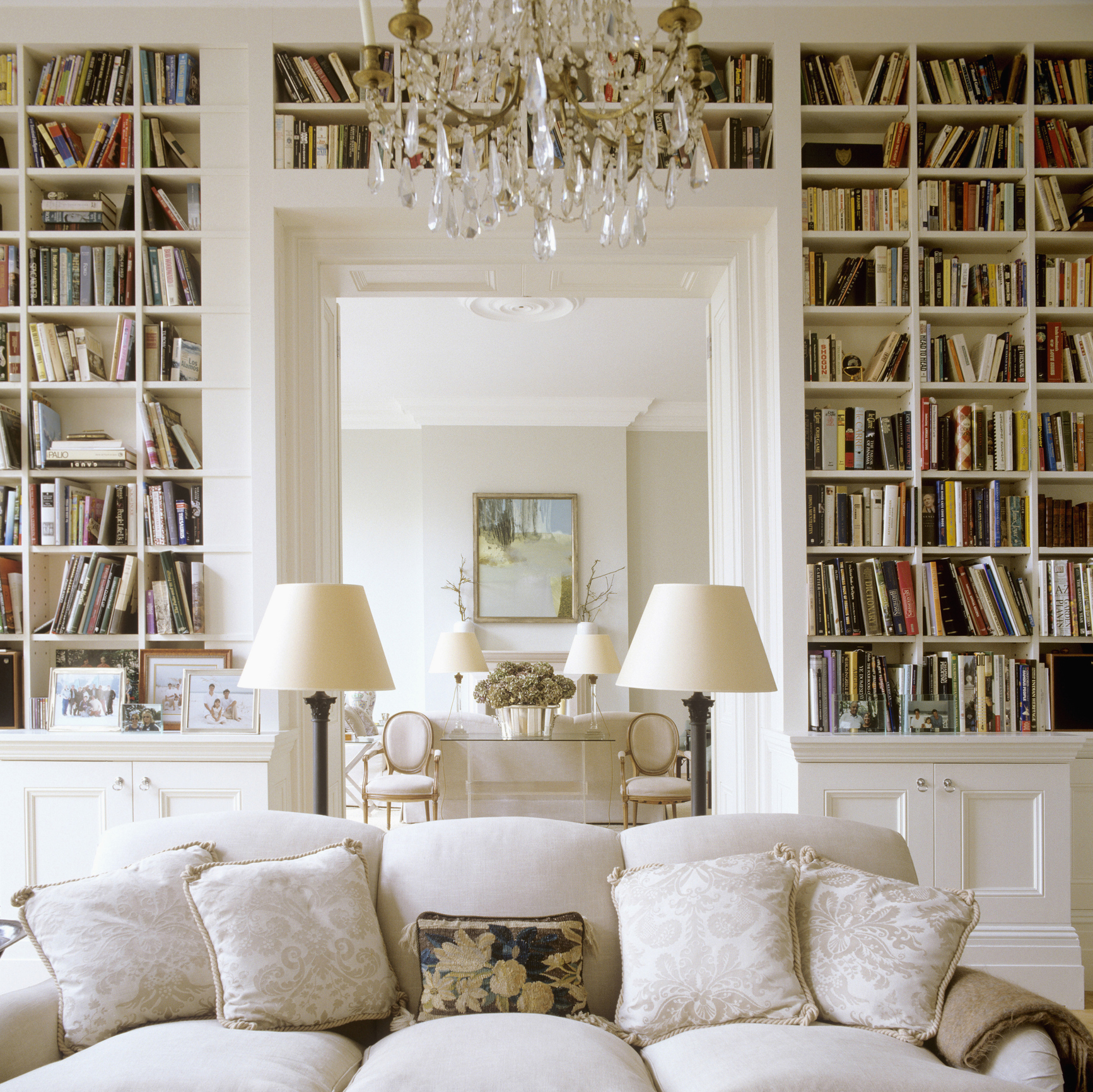
When it comes to designing your home, it can often feel overwhelming to choose the right elements, colors, and layouts that make your space feel cohesive and inviting. With so many options available, it’s easy to get stuck or even second-guess your choices. That’s where an interior decorator can make all the difference. They help transform your ideas and preferences into a beautifully designed space that’s both functional and reflective of your unique style.
In this blog, we’ll explore the essential role of an interior decorator, the benefits of hiring one, and how they can help you create spaces that truly reflect who you are. Whether you’re renovating a single room or designing your entire home, an interior decorator brings a wealth of knowledge and experience to the table, ensuring that your vision is brought to life with expert precision.
What Does an Interior Decorator Do?
While the terms “interior decorator” and “interior designer” are often used interchangeably, they’re not the same. Interior decorators focus specifically on the aesthetic aspects of a space. Their work revolves around creating a cohesive design by selecting and arranging furnishings, color palettes, lighting, textiles, and accessories. They do not typically engage in architectural design or structural changes, which would be the domain of an interior designer.
Essentially, an interior decorator is a professional who enhances the visual appeal of a room or space without making significant alterations to the building’s structure. Their job is to use colors, textures, furniture, and decor to create an atmosphere that reflects a client’s personal style while maximizing the functionality and flow of the space.
The Benefits of Hiring an Interior Decorator
- Expert Guidance and Vision
One of the most significant advantages of hiring an interior decorator is their expertise and ability to bring a fresh perspective. Decorators are trained to see things that may not be immediately obvious to the homeowner, such as how different elements in a room interact or how to highlight the best features of a space.
An interior decorator can help clarify your vision, guiding you to make choices that work cohesively with your space and your personal style. Whether you’re drawn to minimalist aesthetics or prefer a more eclectic approach, a decorator will ensure that your space looks intentional and well-curated.
- Time and Stress Savings
Designing a space on your own can be a lengthy and stressful process. There’s a lot to consider: choosing furniture, colors, fabrics, coordinating items, and making sure everything works together. An interior decorator handles all the details, taking the stress off your plate.
From sourcing furniture and accessories to finding the perfect paint color or light fixtures, a decorator saves you time and effort. This allows you to focus on other important aspects of your life while the decorator takes care of bringing your vision to life.
- Maximized Space and Functionality
It’s not just about how a space looks; it’s also about how it works. Interior decorators excel at maximizing space, making it both functional and beautiful. They’re experts in arranging furniture, creating optimal traffic flow, and ensuring that every square foot serves a purpose.
For example, in smaller rooms or apartments where space is at a premium, decorators can make suggestions for furniture that serves dual purposes or layouts that make the room feel more spacious. Similarly, for larger homes, they can help fill the space in a way that feels balanced without overwhelming the room.
- Access to Quality Vendors and Products
Interior decorators have access to a network of trusted vendors, furniture makers, and suppliers that may not be readily available to the general public. They can source unique, high-quality items that fit your budget and aesthetic preferences. This ensures that you get a curated selection of products rather than relying on mass-market or generic options.
Whether it’s finding the perfect vintage piece, custom furniture, or unique textiles, decorators have the resources to access high-end products and materials that you may not have known were available.
- Increased Home Value
A well-designed home can increase its market value, which is especially important if you plan to sell in the future. Homes that have been professionally designed or decorated tend to appeal to buyers more than those that feel disorganized or unfinished.
An interior decorator can help elevate your home’s appeal by designing a space that feels modern, fresh, and inviting. This can translate into a quicker sale and a higher asking price, as potential buyers will see the home as move-in ready with a polished and cohesive design.
How an Interior Decorator Reflects Your Personal Style
One of the most critical elements of working with an interior decorator is ensuring that your home feels like an extension of your personal style. Here’s how an interior decorator helps bring your vision to life:
- Understanding Your Style and Preferences
Before diving into the design process, an interior decorator will take time to understand your personal style, lifestyle needs, and vision for your space. They may ask questions like:
- How do you want the room to feel (cozy, airy, elegant, etc.)?
- Are there any color schemes or patterns you’re drawn to?
- Do you have any existing furniture pieces or art that you want to keep?
Based on this information, the decorator can craft a design plan that reflects your tastes and incorporates elements that resonate with you. Whether you lean toward a minimalist, traditional, boho, or modern aesthetic, the decorator can create a customized design that aligns with your style.
- Curating Color Palettes
Color is one of the most influential design elements in any space. The right color palette can transform a room, making it feel more open, cozy, sophisticated, or energetic. Interior decorators have an expert understanding of color theory and how colors interact within a space.
They’ll choose colors that complement each other and enhance the room’s mood. For example, calming blues and soft neutrals may be ideal for a bedroom, while bold reds and yellows might be better suited for a lively living area. By carefully selecting wall colors, furniture hues, and accent shades, decorators ensure that the overall aesthetic aligns with your vision.
- Selecting Furniture and Accessories
Furniture and decor pieces define the personality of a room. An interior decorator has the skills to mix and match different pieces to create a balanced, cohesive look. Whether it’s pairing a vintage armchair with a contemporary sofa or adding statement pieces that pop, decorators understand how to blend various elements to create an inviting and stylish environment.
Additionally, they can help you make smart purchasing decisions—ensuring that your furniture and decor not only look good but also serve a functional purpose and fit your space properly.
- Incorporating Textiles and Materials
Textiles—such as rugs, throw pillows, curtains, and bedding—are essential to making a room feel complete. They add layers, texture, and comfort to a space, and decorators are skilled at selecting fabrics that suit both your aesthetic and lifestyle. For example, they might choose durable fabrics for high-traffic areas or opt for luxurious, plush textiles for cozy, relaxing spaces.
- Personalizing the Space
One of the most rewarding parts of working with an interior decorator is the ability to make your home truly yours. Whether it’s through custom-made furniture, artwork, or unique decor items, decorators are skilled at adding personal touches that reflect your identity and make the space feel like home.
How to Work with an Interior Decorator
The process of working with an interior decorator typically follows a series of steps:
- Initial Consultation: The decorator will meet with you to discuss your needs, style preferences, and the scope of the project. This is where they’ll gather information about your space and your goals.
- Design Proposal: Based on your input, the decorator will create a design proposal, which may include mood boards, color palettes, furniture layouts, and a budget breakdown.
- Execution: Once you approve the design, the decorator will begin sourcing furniture, materials, and other design elements. They’ll manage the installation and styling process.
- Final Touches: Once everything is in place, the decorator will add finishing touches like accessories, art, and lighting to ensure the space feels complete.
Final Thoughts
Hiring an interior decorator is an investment in your home and well-being. With their expertise, they can transform a space from ordinary to extraordinary, making it a true reflection of your style and needs. Whether you want to update a single room or redesign your entire home, an interior decorator can guide you through the process with confidence and ease, ensuring the final result is both beautiful and functional.
If you want to bring your vision to life but need a professional to handle the details, contact Cary NC Handyman. Our team of experts can assist with interior design and decoration services to make your home look and feel exactly the way you’ve always imagined. Let us help you create the perfect space today!
Leave a Reply